
Should you supplement for Magnesium?
January 25, 2026
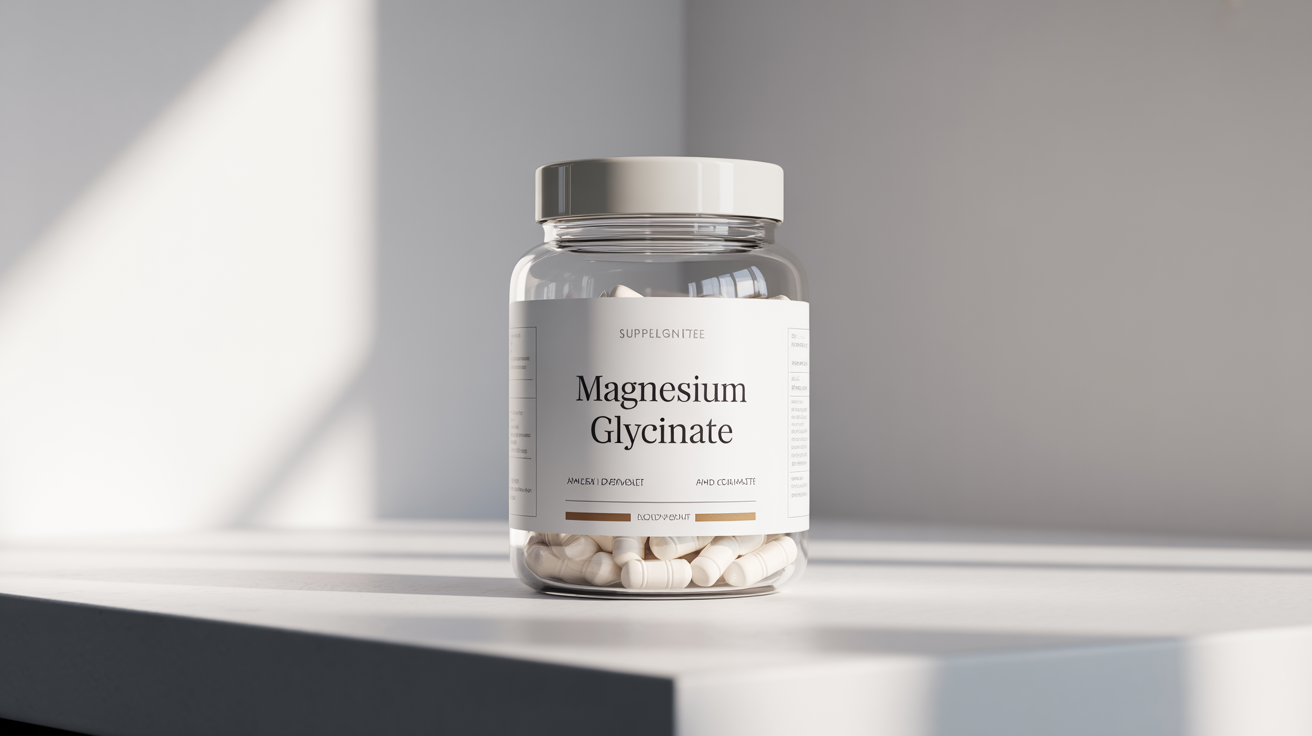
If you exercise regularly, sweat heavily, or lead a physically demanding life, magnesium requirements rise, and most modern diets do not provide enough fully absorbable magnesium. While magnesium-rich foods are helpful, absorption from food is limited, and supplements like magnesium glycinate often become necessary to meet your body’s needs.
Why active people need more magnesium
Magnesium plays a critical role in muscle contraction, nerve signaling, energy production, and electrolyte balance. When you train, your muscles are constantly contracting and relaxing, which requires magnesium to help balance calcium and potassium. Sweat can also carry away magnesium—anywhere from 5 to 20 mg per liter—so heavy training or hot-weather workouts can further increase your needs.
Because of these factors, it’s easy for active individuals to use up more magnesium than they absorb from food, creating a hidden shortfall that can affect performance and recovery.
Magnesium is essential for muscle contraction, nerve signaling, ATP production, and electrolyte balance.
During exercise:
ATP turnover skyrockets – magnesium is required for energy production
Muscles contract and relax repeatedly – magnesium balances calcium and potassium
Sweating increases mineral losses – about 5–20 mg of magnesium per liter of sweat
For active adults and athletes, the combination of increased demand and sweat losses can quickly outpace what food provides, even if you eat magnesium-rich meals.
Why magnesium from food alone often isn’t enough
Many foods are naturally rich in magnesium, such as pumpkin seeds, almonds, spinach, and oats. The problem is that not all of the magnesium in these foods is actually absorbed. Plant compounds like phytates and oxalates can block absorption, so even a meal packed with magnesium might only deliver a fraction of what your body can use.
Here’s a snapshot of some magnesium-rich foods and the amount your body typically absorbs:
Magnesium-rich foods and absorption
| Food | Magnesium (mg) | Serving | Absorption (%) | Absorbed Mg (mg) |
|---|---|---|---|---|
| Pumpkin seeds (roasted) | 168 | 1 oz | 30–50% | 50–84 |
| Almonds | 80 | 1 oz | 30–50% | 24–40 |
| Spinach (cooked) | 78 | 1 cup | 20–30% | 16–23 |
| Cashews | 74 | 1 oz | 30–50% | 22–37 |
| Black beans (cooked) | 60 | 1 cup | 30–50% | 18–30 |
| Dark chocolate (70–85% cacao) | 64 | 1 oz | 30–50% | 19–32 |
| Edamame (cooked) | 50 | 1 cup | 30–50% | 15–25 |
| Avocado | 44 | 1 medium | 25–35% | 11–15 |
| Oats (rolled, dry) | 61 | ½ cup | 30–50% | 18–31 |
Even foods that are high in magnesium may only provide a fraction of the magnesium your body can actually absorb. For active adults, this often creates a gap between intake and physiological demand.
How magnesium supplements can help
This is where supplements can be a game-changer. Magnesium glycinate and magnesium citrate are highly absorbable (around 70–80%) and gentle on the stomach, unlike magnesium oxide, which your body absorbs poorly. Taking a supplement can more than double the amount of magnesium your body actually uses, supporting muscle recovery, nerve function, energy production, and electrolyte balance.
Supplements are especially useful if you notice:
-
Muscle cramps or tightness
-
Slower recovery after training
-
Fatigue or low energy despite proper rest
Supplements are designed to deliver magnesium in highly absorbable forms:
Magnesium glycinate – ~80% absorbed, gentle on the stomach
Magnesium citrate – ~70–80% absorbed
Magnesium oxide – poorly absorbed (~4–30%), less effective
Benefits of supplementation for active individuals:
- Supports muscle recovery and contraction
- Improves ATP production and energy metabolism
- Maintains electrolyte balance with calcium and potassium
- Helps activate vitamin D, which increases magnesium demand
Why splitting magnesium doses is more effective
Interestingly, your body absorbs magnesium more efficiently in smaller, repeated doses rather than one large tablet. If you take a single large dose, your intestines may not absorb all of it, and it can sometimes cause mild digestive discomfort.
For example, a 400 mg daily dose of magnesium glycinate works better if split into two or three smaller doses, taken with meals. This approach mimics how your body naturally absorbs magnesium from food and ensures steady availability for muscles, nerves, and energy production.
Example for 400 mg/day magnesium glycinate:
2 × 200 mg (morning and evening)
3 × ~130 mg with meals
Benefits of split dosing:
- Higher total absorption
- Lower risk of diarrhea or GI upset
- Steady magnesium availability for muscles, nerves, and energy
Magnesium needs in children
Most children get enough magnesium from a varied diet, and supplements are usually not necessary. Kids absorb magnesium efficiently, and their daily requirements are lower than adults. Supplements may be considered only if a child trains intensely, sweats heavily, or has a restricted diet.
When supplementation is used, it’s important to stick to age-appropriate doses (20–200 mg/day) and gentle forms like magnesium glycinate. Adult doses are unnecessary and can be excessive for children.
Supplements are usually not needed unless a child:
- Trains intensely or sweats heavily
- Has a very limited diet
- Has a medical condition (e.g., constipation, migraines, cramps)
Safety guidance:
- Do not give children adult doses
- Typical age-appropriate supplemental doses: 20–200 mg/day depending on age
- Use gentle forms like magnesium glycinate
Practical recommendations for active adults
- Prioritize magnesium-rich foods daily: nuts, seeds, beans, spinach, oats, avocado, dark chocolate
- Supplement with magnesium glycinate or citrate if you train, sweat heavily, or have a modern processed diet
- Split doses across the day to optimize absorption
- Ensure adequate vitamin D, potassium, and calcium intake to support magnesium utilization
Summary
Active lifestyles increase magnesium requirements beyond what food alone typically provides. Supplements, particularly in highly absorbable forms like magnesium glycinate and taken in split doses, can safely fill this gap, supporting muscle function, energy production, recovery, and overall health.