Why healthy foods can cause bloating
January 19, 2026
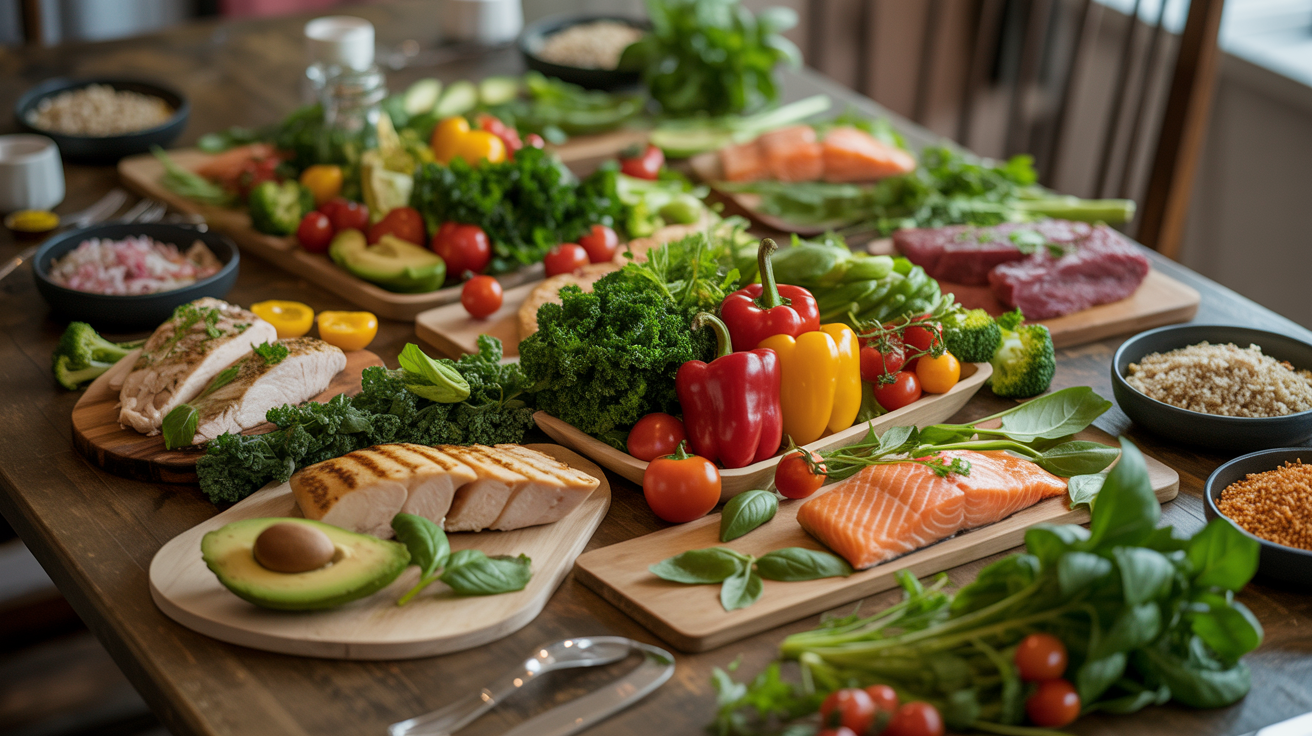
You’re doing everything right. You’ve swapped processed snacks for fresh vegetables, added more fiber to your diet, and you’re drinking green smoothies. But instead of feeling energized and light, your stomach feels like a balloon ready to pop.
Sound familiar? You’re not alone, and you’re definitely not doing anything wrong. The truth is that healthy foods can absolutely cause bloating, and understanding why is the first step to feeling better.
The fiber overload problem
Fiber is one of the most celebrated nutrients in modern nutrition, and for good reason. It supports digestive health, helps regulate blood sugar, and keeps you feeling full. But there’s a catch: too much fiber, too fast, can overwhelm your digestive system.
When you suddenly increase your fiber intake—especially from foods like beans, lentils, broccoli, and whole grains—your gut bacteria go into overdrive. They start fermenting all that fiber, which produces gas as a byproduct. The result? Uncomfortable bloating and pressure.
Your digestive system needs time to adapt. If you’ve been eating a low-fiber diet and suddenly jump to eating large salads and bean-based meals every day, your gut simply isn’t prepared for the workload.
FODMAPs: the hidden troublemakers
Some of the healthiest foods contain compounds called FODMAPs—fermentable oligosaccharides, disaccharides, monosaccharides, and polyols. These are types of carbohydrates that many people struggle to digest.
Foods high in FODMAPs include:
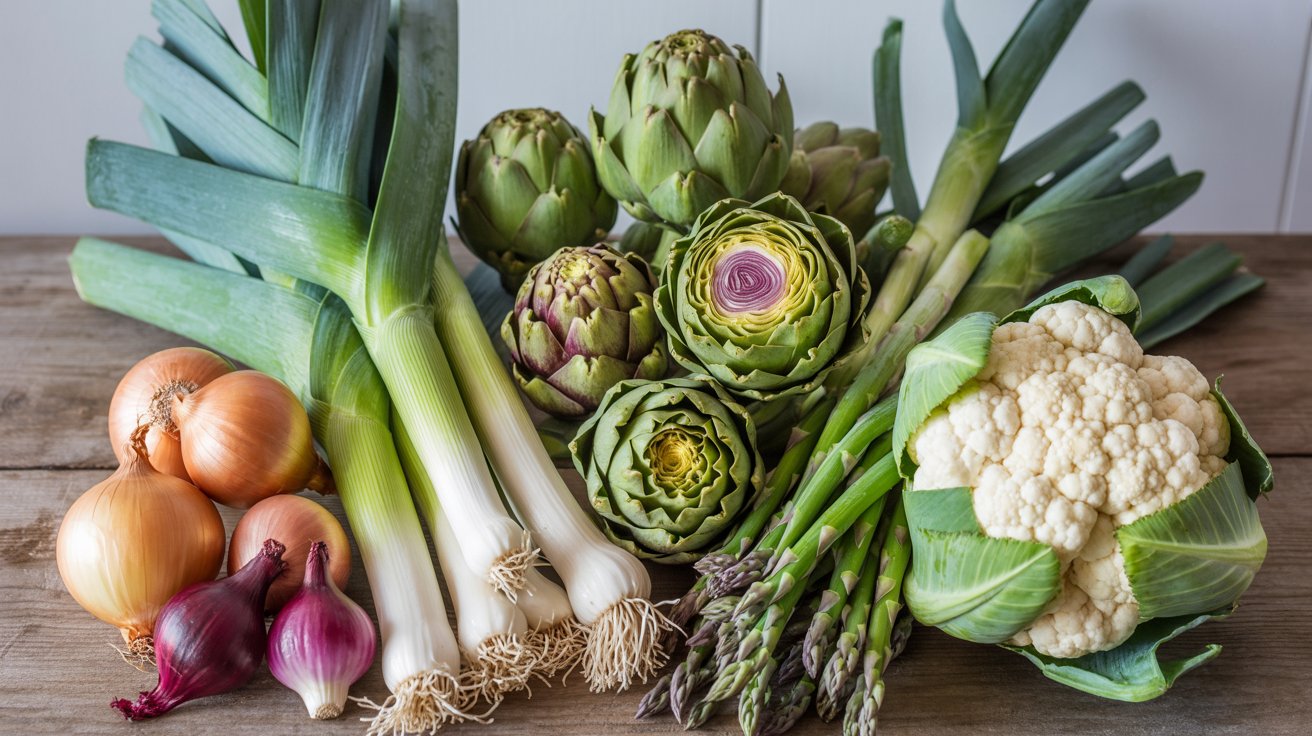
- Onions and garlic
- Apples and pears
- Cauliflower and Brussels sprouts
- Wheat and rye
- Beans and lentils
- Cashews and pistachios
When these carbohydrates reach your large intestine undigested, gut bacteria ferment them, creating gas and drawing water into your bowel. For people with sensitive digestive systems or conditions like IBS, this can lead to significant bloating, cramping, and discomfort.
The confusing part? These foods are genuinely nutritious. But that doesn’t mean they’re right for everyone, or right for you at every stage of your digestive health.
Raw vegetables: harder to digest than you think
Raw vegetables are often seen as the pinnacle of healthy eating. They’re fresh, crunchy, and packed with vitamins. But they’re also some of the hardest foods for your body to break down.
Raw cruciferous vegetables like broccoli, kale, and cabbage contain tough cellulose fibers that require a lot of digestive effort. If your digestive system is already compromised—whether from stress, low stomach acid, or sluggish gut motility—these foods can sit in your stomach longer than they should, leading to bloating and discomfort.
Cooking these vegetables breaks down some of those tough fibers, making them significantly easier to digest. Steamed broccoli affects your stomach very differently than raw broccoli in a salad.
The smoothie trap
Green smoothies have become synonymous with health, but they can be a major bloating culprit. Here’s why:
First, smoothies often combine multiple high-FODMAP ingredients in one glass—spinach, banana, apple, protein powder, almond milk. Your digestive system has to process all of this at once.
Second, when you blend food, you’re essentially pre-chewing it, which sounds helpful. But it also means you’re consuming a large volume of food very quickly, which can overwhelm your stomach and create pressure.
Third, many people drink smoothies cold, which can slow down digestion. Cold temperatures can temporarily reduce digestive enzyme activity, making it harder for your body to break down food efficiently.
Legumes and resistant starch
Beans, lentils, and chickpeas are protein powerhouses and excellent sources of fiber. They’re also notorious for causing gas and bloating.
The main culprit is resistant starch and oligosaccharides—types of carbohydrates that your small intestine can’t fully digest. These compounds pass into your large intestine where bacteria ferment them, producing gas.
Proper preparation can help. Soaking beans overnight, rinsing them thoroughly, and cooking them completely can reduce the compounds that cause bloating. Some people also find that starting with smaller portions and gradually increasing helps their digestive system adapt.
The stress connection
Even if you’re eating the perfect diet, chronic stress can make bloating worse. When you’re stressed, your body shifts into fight-or-flight mode, which diverts blood flow away from your digestive system.
This means:
- Less stomach acid production
- Slower gut motility
- Reduced enzyme activity
- Altered gut bacteria balance
You could be eating the healthiest foods in the world, but if you’re eating them while stressed, rushed, or distracted, your body simply won’t digest them properly.
Food combinations matter
Sometimes it’s not the individual foods causing problems—it’s how you’re combining them. Eating fruit immediately after a heavy meal, for example, can cause the fruit to ferment in your stomach while it waits for the other food to digest.
Similarly, combining high-fiber foods with dairy, or eating multiple high-FODMAP foods in one meal, can create a perfect storm for bloating.
What you can actually do about it
Start slowly with fiber
If you’re increasing your fiber intake, do it gradually over several weeks. Your gut bacteria need time to adjust.
Cook your vegetables
Try steaming, sautéing, or roasting vegetables instead of eating them raw. You’ll still get most of the nutrients with much easier digestion.
Consider a low-FODMAP trial
If bloating is severe, try eliminating high-FODMAP foods for a few weeks to see if symptoms improve. Then reintroduce them one at a time to identify your specific triggers.
Eat mindfully
Sit down for meals, chew thoroughly, and avoid eating while stressed or distracted. Your nervous system needs to be in rest-and-digest mode for optimal digestion.
Keep a food diary
Track what you eat and how you feel afterward. Patterns will emerge that can help you identify your personal trigger foods.
Don’t drink too much with meals
Large amounts of liquid during meals can dilute digestive enzymes and stomach acid, making digestion less efficient.
The takeaway
Bloating from healthy foods doesn’t mean you’re doing something wrong or that these foods are bad for you. It simply means your body needs support, time to adapt, or a different approach to these foods right now.
Health isn’t about forcing yourself to eat foods that make you feel terrible just because they’re considered “healthy.” Real health means listening to your body, honoring its feedback, and finding the approach that works for you—not what works for everyone else.
Your body’s discomfort is information, not failure. Pay attention to it.